

Hey there! As a supplier of transparent film screens, I've gotten tons of questions about how these bad boys stack up against other display technologies when it comes to cost - effectiveness. So, I thought I'd sit down and break it all down for you.
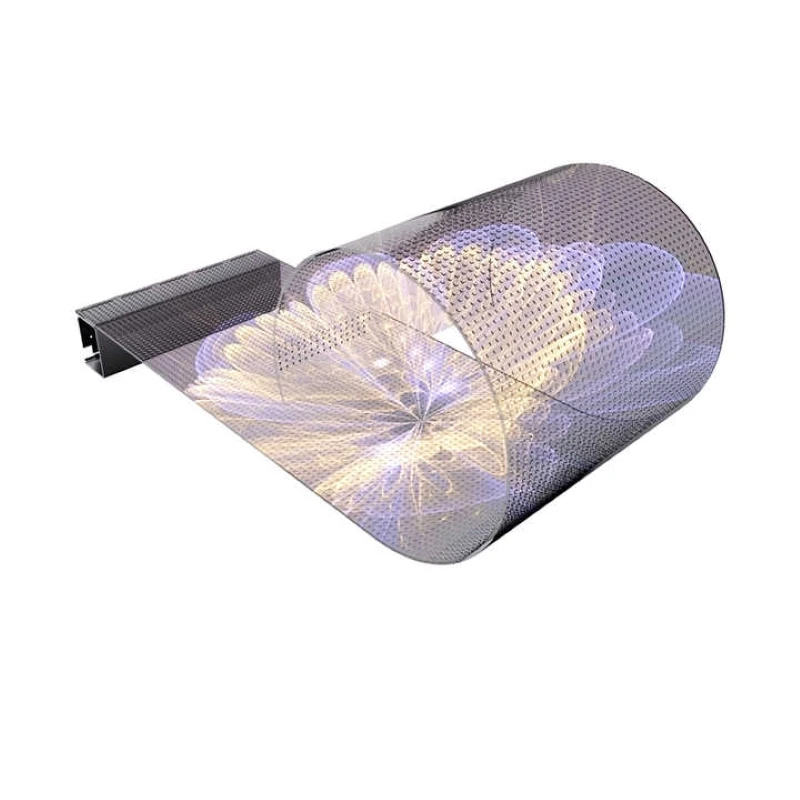
Let's start by getting a good look at what a transparent film screen is. It's a super - thin, flexible display that can be stuck onto glass surfaces or other flat areas. We've got some really cool options like the Flexible Transparent Crystal Film Screen, Flexible Film Advertising Screen, and Adhesive Flexible LED Transparent Film Screen. These screens offer a unique viewing experience because they let light pass through, so you can still see what's behind them while showing vivid visuals.
Now, let's talk about the biggie: cost. When you're setting up a display, the initial investment is always a major concern. Traditional display technologies like LCD and LED panels can be pretty pricey right off the bat. You've got to shell out for the hardware, the installation, and often, a special mounting structure. And if you're thinking about large - scale displays, the costs can skyrocket.
On the other hand, transparent film screens are generally more budget - friendly in terms of upfront costs. They're lightweight and easy to install, which means you don't need a complex mounting system. You can stick them right onto existing glass surfaces, like storefront windows or museum display cases. This cuts down on both the cost of the mounting hardware and the labor required for installation.
But cost - effectiveness isn't just about the initial purchase. You've also got to think about long - term expenses. Energy consumption is a huge factor here. Traditional displays, especially large ones, can guzzle electricity like there's no tomorrow. LCDs, for example, need a backlight to illuminate the screen, and that backlight uses a significant amount of power. LED panels are a bit more energy - efficient, but they still require a fair amount of juice to keep those pixels shining bright.
Transparent film screens, however, are much more energy - efficient. They use less power because they don't need a strong backlight. The transparent nature of the screen allows ambient light to contribute to the overall visibility of the content, reducing the need for high - intensity internal lighting. Over time, this can lead to substantial savings on your electricity bill.

Another long - term cost to consider is maintenance. Traditional displays are prone to issues like dead pixels, backlight failures, and mechanical problems. Fixing these issues can be expensive, especially if you need to replace major components. And if your display is in a public area, any downtime can mean lost revenue or missed advertising opportunities.
Transparent film screens are generally more reliable and easier to maintain. They don't have as many moving parts or complex internal components, so there's less that can go wrong. And if something does happen, repairs are usually quicker and less costly. You can often just replace a small section of the film rather than having to replace the entire screen.
Let's also touch on the aspect of versatility. Traditional displays are often limited in terms of where they can be installed. They need a flat, stable surface and a controlled environment to work properly. You can't just slap an LCD panel on a curved window or a non - standard surface.
Transparent film screens, on the other hand, are incredibly versatile. They're flexible, so they can be installed on curved surfaces, irregular shapes, and even on top of existing structures. This means you can get creative with your display locations and reach new audiences. Whether it's a curved storefront window, a cylindrical museum exhibit, or a unique architectural feature, transparent film screens can make it work. And this versatility can lead to better advertising and branding opportunities, which can ultimately translate into more revenue.
Now, I know some of you might be thinking, "But what about the image quality?" It's true that traditional displays have come a long way in terms of resolution and color accuracy. High - end LCD and LED panels can produce incredibly sharp and vibrant images.
However, transparent film screens have also made significant improvements in this area. They can now display high - quality content with good color reproduction and sharpness. And while they might not have the same level of absolute brightness as a traditional backlit display, their unique transparent feature often makes up for it. The ability to blend the digital content with the real - world background creates a more immersive and engaging experience for the viewer.
In terms of durability, traditional displays are often bulky and heavy, which makes them more susceptible to damage during transportation and installation. They also need to be protected from environmental factors like dust, moisture, and temperature changes.
Transparent film screens are much more durable in this regard. They're thin and flexible, so they can withstand a certain amount of bending and flexing without getting damaged. They're also more resistant to environmental factors because they can be sealed and protected easily. This means they can be used in a wider range of outdoor and indoor settings without the need for extensive protection.
When it comes to content management, traditional displays usually require a dedicated media player and a complex software system to control the content. This can add to the overall cost and complexity of the setup.
Transparent film screens, on the other hand, can be integrated with more user - friendly and cost - effective content management systems. You can often control the content remotely using a simple app or a web - based interface. This makes it easier and cheaper to update and manage your content, whether you're running a single display or a network of them.
So, to sum it all up, transparent film screens offer a great combination of low upfront costs, energy efficiency, easy maintenance, versatility, and good image quality. They're a cost - effective alternative to traditional display technologies, especially for those who are looking for a unique and budget - friendly way to showcase their content.
If you're interested in learning more about how transparent film screens can work for your business or project, I'd love to have a chat. Whether you've got questions about the products, need a quote, or want to discuss a custom solution, just reach out. I'm here to help you make the best decision for your display needs.
References
- General knowledge about display technologies from industry reports
- Personal experience as a transparent film screen supplier