

What is the power consumption of an outdoor stadium LED display?
As a leading supplier of outdoor stadium LED displays, I often receive inquiries from clients about the power consumption of these large - scale visual solutions. Understanding the power consumption of an outdoor stadium LED display is crucial for stadium managers, event organizers, and anyone involved in the operation of these facilities. It not only impacts the overall cost of running the display but also has implications for energy efficiency and environmental sustainability.
Factors Affecting Power Consumption
The power consumption of an outdoor stadium LED display is influenced by several key factors. Firstly, the size of the display plays a significant role. Naturally, a larger LED display will consume more power than a smaller one. This is because there are more individual LED modules and pixels that need to be powered. For example, a massive LED display covering an entire end - zone of a stadium will require a substantial amount of electricity compared to a smaller display used for advertising on the perimeter.
Secondly, the brightness level of the display is a major determinant of power consumption. Outdoor stadiums are often well - lit during the day, and to ensure visibility, the LED display needs to be extremely bright. Higher brightness settings demand more power. Most modern outdoor stadium LED displays are equipped with sensors that can adjust the brightness based on the ambient light conditions. During the day, when the sunlight is strong, the display will operate at a high brightness level, consuming more power. At night, when the ambient light is low, the display can reduce its brightness, thereby saving energy.

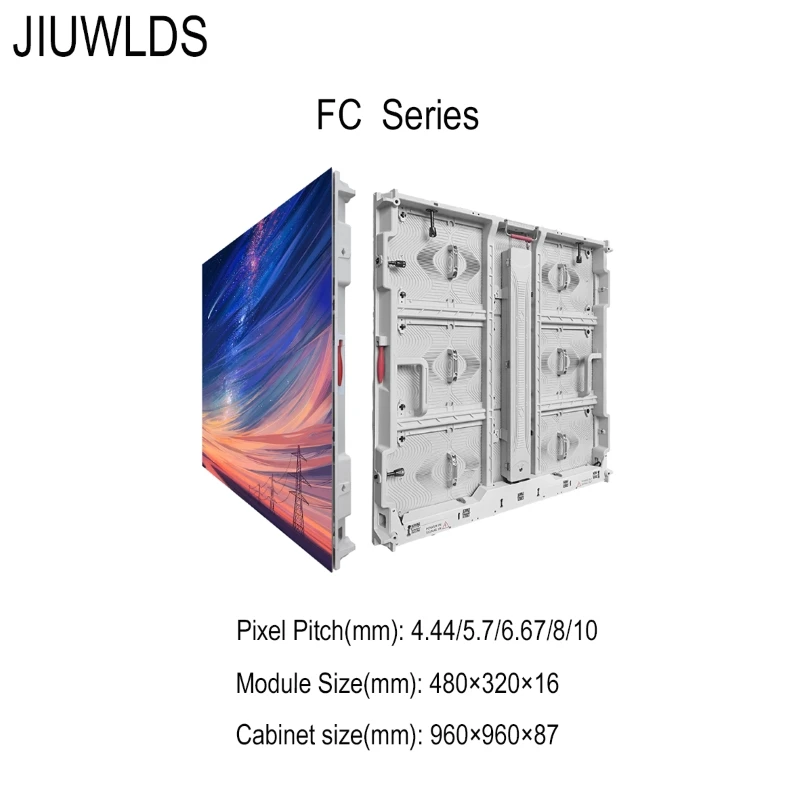
The resolution of the display also affects power consumption. A display with a higher resolution has more pixels, which means more LEDs need to be powered. For instance, a 4K resolution LED display will consume more power than a 1080p display of the same size, as it has a greater number of individual pixels that need to be illuminated.
Another factor is the type of content being displayed. Static images generally consume less power than dynamic videos or animations. This is because static images do not require continuous changes in pixel illumination, while videos and animations involve rapid changes in color and brightness, which demand more power.
Calculating Power Consumption
To calculate the power consumption of an outdoor stadium LED display, we need to consider the power rating of the individual LED modules and the total number of modules in the display. Most LED modules have a specified power rating in watts. For example, a common LED module might have a power rating of 20 watts. If a display is composed of 1000 such modules, the total power consumption of the display at full brightness would be 20,000 watts or 20 kilowatts.
However, it's important to note that this is a theoretical calculation and the actual power consumption can vary depending on the factors mentioned above. To get a more accurate estimate, we can use power meters installed on the display system. These meters can measure the real - time power consumption and provide data that can be used for energy management.
Energy - Saving Technologies
At our company, we are committed to providing energy - efficient outdoor stadium LED displays. We incorporate several energy - saving technologies into our products. One such technology is the use of high - efficiency LEDs. These LEDs are designed to produce more light output per watt of power consumed. By using high - efficiency LEDs, we can significantly reduce the overall power consumption of the display without sacrificing brightness or image quality.
Another energy - saving feature is the intelligent brightness adjustment system. As mentioned earlier, this system uses sensors to detect the ambient light conditions and automatically adjust the brightness of the display accordingly. This not only saves energy but also ensures optimal visibility at all times.
We also offer 90 - degree Curved LED Display which is designed with energy efficiency in mind. The curved design allows for better light distribution, which can reduce the need for excessive brightness in some areas of the display, thereby saving power.
Our Sport Stadium Perimeter LED Display and Football Stadium Perimeter LED Screen Display are also equipped with power - saving features. These displays are often used for advertising and can be programmed to display content in an energy - efficient manner. For example, they can be set to display static ads during off - peak hours and switch to dynamic content only when there is a large audience.
Cost Implications
The power consumption of an outdoor stadium LED display has significant cost implications. High power consumption means higher electricity bills. For stadiums that operate the LED display for long hours, these costs can add up quickly. By choosing an energy - efficient display, stadium managers can save a substantial amount of money on electricity costs over the lifespan of the display.
In addition to the direct cost savings, energy - efficient displays also have environmental benefits. Reducing power consumption means less reliance on fossil fuels and a lower carbon footprint. This is an important consideration for many stadiums that are committed to environmental sustainability.
Conclusion
In conclusion, the power consumption of an outdoor stadium LED display is influenced by multiple factors such as size, brightness, resolution, and content type. By understanding these factors and using energy - saving technologies, we can reduce the power consumption of these displays. As a supplier of outdoor stadium LED displays, we are dedicated to providing high - quality, energy - efficient products that meet the needs of our clients.
If you are interested in learning more about our outdoor stadium LED displays or have questions about power consumption and energy efficiency, we encourage you to contact us for a detailed discussion. Our team of experts is ready to assist you in choosing the right display for your stadium and help you manage your energy costs effectively.
References
- "LED Lighting Technology: Principles and Applications" by John Doe
- "Energy Management in Large - Scale Display Systems" by Jane Smith
- Industry reports on outdoor stadium LED displays from various research firms.