

In recent years, indoor LED displays have shifted from simple advertising tools to core digital infrastructure in retail, corporate, and control room environments. However, for buyers and project contractors, selecting the right indoor LED module is no longer just about price-it's about long-term stability, visual consistency, and system compatibility.
If you're sourcing from LUMIVIS Optoelectronics Co.,Ltd, or comparing options across the global market, understanding the real engineering differences behind modules can help you avoid costly rework.
What Defines a High-Quality Indoor LED Module Today?
An indoor LED module is not just a panel-it is a system-level component that directly affects display performance.
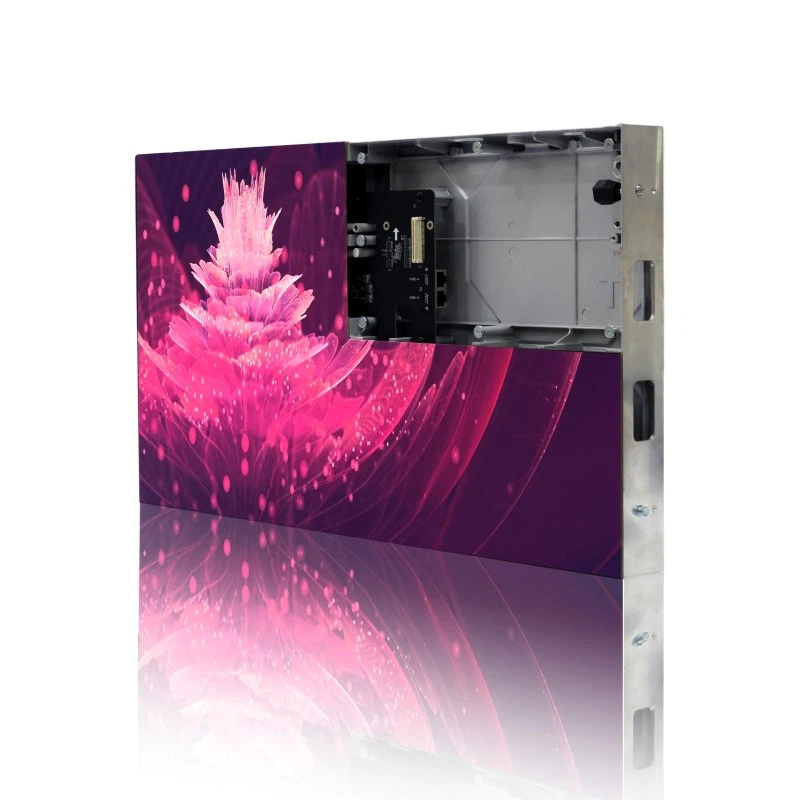
From an engineering perspective, three factors matter most:
1. Pixel Pitch vs Viewing Distance
P1.25–P1.86: control rooms, broadcast studios
P2–P2.5: retail stores, conference rooms
P3+: large indoor advertising screens
A mismatch here often leads to either unnecessary cost or poor visual clarity.
2. SMD Packaging Stability
Modern indoor modules rely on SMD (Surface-Mounted Device) technology. Reliable suppliers (especially experienced China indoor-led-module suppliers) focus on:
Consistent LED binning
Anti-dead-pixel protection
Better contrast under low brightness
This is critical for applications like luxury retail, where color uniformity impacts brand perception.
3. Maintenance Structure (Front vs Rear Service)
For most commercial indoor environments:
Front service modules reduce maintenance space
Magnetic installation improves efficiency
This is why many China indoor-led-module manufacturers are shifting toward modular magnetic designs for faster deployment.
Real-World Application Insight: Why Module Quality Matters

Take global brands like Apple and Nike as examples.
Their retail LED installations typically require:
- Seamless display (no visible gaps)
- Stable brightness over long operating hours
- Accurate color reproduction under controlled lighting
In these cases, using a wholesale indoor LED module without strict quality control often results in:
- Color inconsistency across batches
- Increased failure rates after 6–12 months
- Higher maintenance costs than initial savings
Why More Buyers Are Choosing Customized Indoor Modules
Standard modules work-but they don't always fit real projects.
More engineering contractors are now shifting to customized indoor LED module solutions for:
- Non-standard cabinet sizes
- Special aspect ratios
- Integration with existing structures
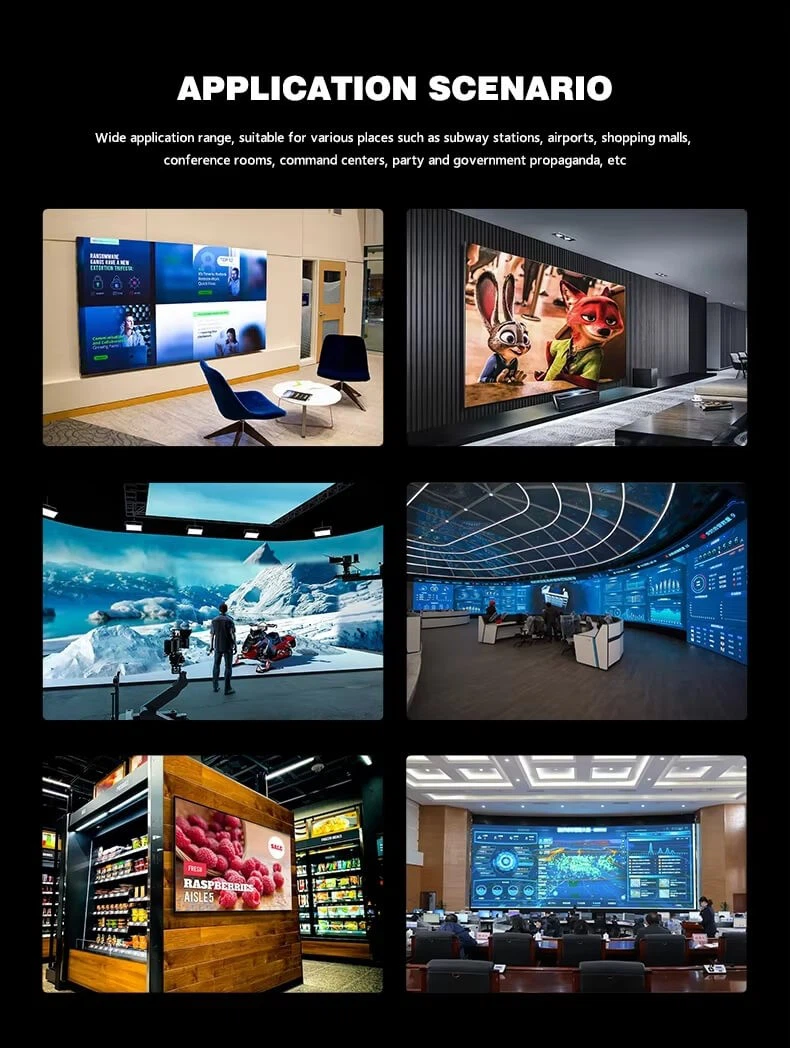
This approach is especially useful in:
- Exhibition halls
- Digital signage networks
- Corporate branding walls
Indoor vs Outdoor: A Common Procurement Mistake
One trend we see from buyers is confusion between indoor and outdoor solutions.
For example, some projects mistakenly consider China outdoor aluminum-led-display products for indoor use due to durability expectations.
However, outdoor displays:
- Have excessive brightness for indoor environments
- Increase power consumption unnecessarily
- May reduce visual comfort
Selecting the right category is more important than over-specifying.
Where to Source Reliable Indoor LED Modules
If you're evaluating suppliers, don't just compare pricing sheets. Instead, review:
- Production consistency (batch control)
- Aging test standards
- Case studies in similar industries
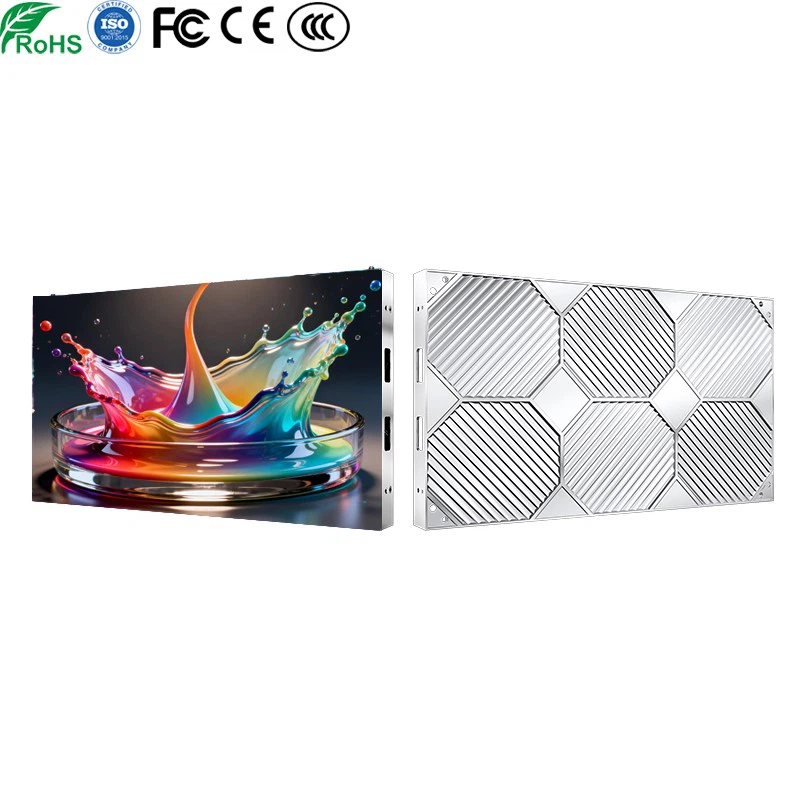
You can explore a detailed technical specification and application breakdown here:
👉 https://www.leddisplayleader.com/indoor-led-display/indoor-led-module/indoor-smd-led-module.html
This type of product page gives insight into how a China indoor-led-module manufacturers structures module design for real-world usage-not just lab conditions.