

In most indoor environments, a 500-nit LED display is sufficient for clear and comfortable viewing. It can provide excellent image quality in meeting rooms, retail stores, exhibition booths, control rooms, and other indoor spaces where direct sunlight is not present.
However, whether 500 nits is enough depends on the ambient lighting conditions, viewing distance, and installation location.
What Does 500 Nits Mean?
Brightness is measured in nits (cd/m²), which indicates how much light an LED display emits.
A 500-nit LED screen can deliver clear visuals in typical indoor environments and is often used in:
- Conference rooms
- Corporate lobbies
- Retail stores
- Shopping malls
- Educational facilities
- Control centers
For most indoor applications, increasing brightness beyond what is necessary may not improve visibility and could even reduce viewing comfort.
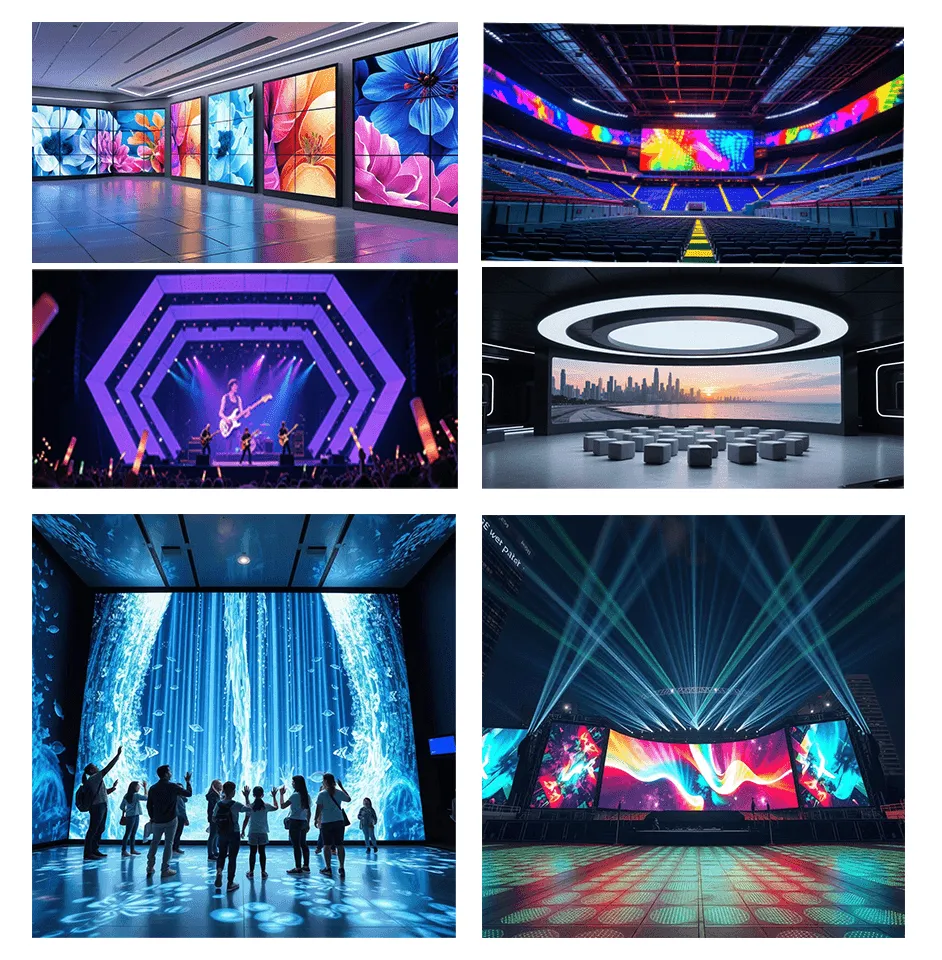
| Environment | Recommended Brightness |
|---|---|
| Meeting Rooms | 400–600 nits |
| Retail Stores | 500–800 nits |
| Shopping Malls | 600–1000 nits |
| Exhibition Booths | 800–1200 nits |
| Control Rooms | 300–600 nits |
| Broadcast Studios | 500–800 nits |
Based on these values, 500 nits meets the requirements of many indoor applications.
When Is 500 Nits Enough?
Conference Rooms
Meeting rooms typically use artificial lighting and have controlled environments. A 500-nit display provides sufficient brightness while minimizing eye fatigue during long presentations.
Control Rooms
Operators often spend extended periods viewing screens. Excessive brightness can be uncomfortable, making 500 nits a practical choice.
Corporate Lobbies
For indoor reception areas without strong sunlight exposure, 500 nits generally delivers excellent image visibility.
Educational Facilities
Schools and universities often use LED displays in lecture halls and auditoriums where 500 nits performs effectively.
When Might You Need More Than 500 Nits?
There are situations where higher brightness may be beneficial.
Large Shopping Malls
Buildings with glass facades and skylights can introduce significant natural light. In these environments, 800–1000 nits may provide better visibility.
Storefront Windows
LED displays installed near windows often compete with daylight. Brightness levels above 800 nits are commonly recommended.
Exhibition Halls
Trade shows frequently use intense overhead lighting. Displays with 800–1200 nits can attract more attention and improve content visibility.

Is Higher Brightness Always Better?n
Not necessarily.
Many buyers assume that higher brightness automatically means better image quality.
In reality, excessive brightness can lead to:
Increased power consumption
Higher operating temperatures
Reduced viewing comfort
Greater overall project cost
The best brightness level is one that matches the actual installation environment.
Other Factors That Affect Visibility
Brightness is only one part of display performance.
Other important factors include:
- Pixel pitch
- Contrast ratio
- Refresh rate
- Gray scale performance
- Viewing angle
- Content quality
A properly configured 500-nit display may outperform a poorly configured 1000-nit display in many indoor applications.
Final Recommendation
For most indoor LED display projects, 500 nits is sufficient and provides a balanced combination of visibility, comfort, and energy efficiency.
If the installation area receives strong natural light or is located near large windows, brightness levels of 800–1000 nits may be more suitable.
Before selecting an LED display, it is recommended to evaluate the ambient lighting conditions and intended application to determine the optimal brightness level.