

When it comes to outfitting an outdoor stadium with state - of - the - art LED displays, one of the most pressing questions stadium owners, event organizers, and facility managers often ask is about the installation time requirements. As a leading supplier of Outdoor Stadium LED Displays, I've had the privilege of working on numerous projects, and I'm here to share insights on this crucial topic.

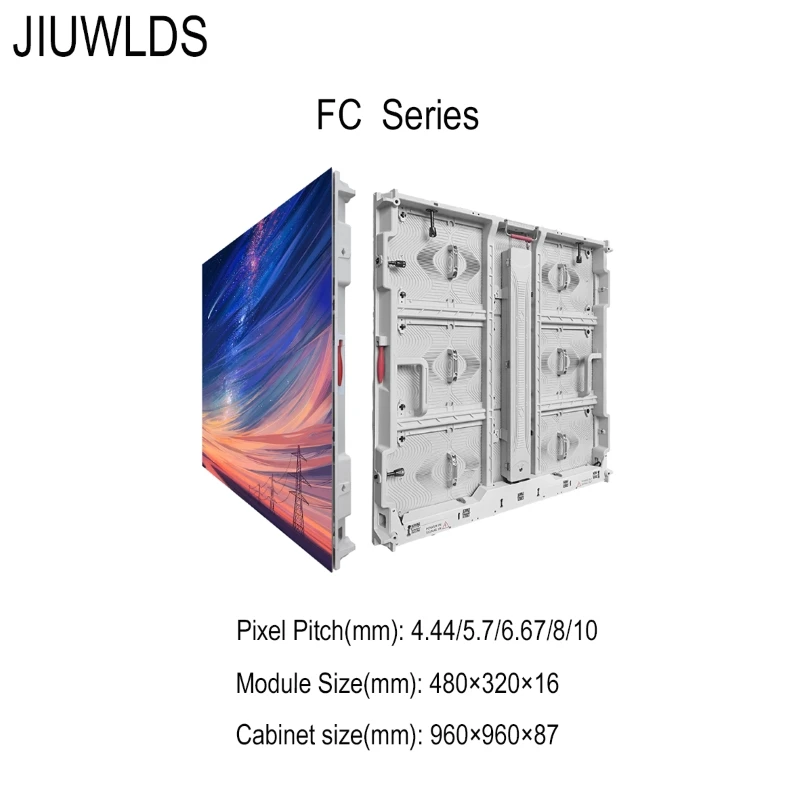
Factors Influencing Installation Time
Stadium Size and Complexity
The size of the outdoor stadium is a primary determinant of the installation time. A small - scale local stadium with a capacity of a few thousand spectators will naturally require less time to install LED displays compared to a large - scale international stadium that can hold over 50,000 people. For instance, a small stadium might only need a few perimeter LED screens and a single main scoreboard. In contrast, a large stadium may have multiple large - format displays, including high - resolution video walls, multiple scoreboards, and various auxiliary displays around the venue.
Complexity also plays a significant role. Stadiums with unique architectural designs, such as those with irregular shapes or multiple levels, can pose challenges during installation. Installing LED displays in a stadium with a 90 - degree Curved LED Display requires specialized installation techniques and more time to ensure a perfect fit and alignment.
Display Type and Quantity
The type of LED displays being installed is another critical factor. There are different types of outdoor stadium LED displays, such as fixed - mount displays, mobile displays, and flexible displays. Fixed - mount displays are the most common and are typically installed directly onto the stadium structure. Mobile displays, on the other hand, are designed for easy transportation and setup, but they may still require time for proper positioning and calibration.
The quantity of displays also matters. A stadium that requires only a few small displays will have a shorter installation time than one that needs a large number of large - sized displays. For example, a stadium that wants to install a comprehensive system of Football Stadium Perimeter LED Screen Display around the entire playing field will take longer to install compared to a stadium that only needs a single display for basic scorekeeping.
Site Preparation
Before the actual installation of the LED displays can begin, proper site preparation is essential. This includes ensuring that the mounting structures are in place, the electrical and data connections are ready, and the area is safe and accessible for the installation team. If the stadium has existing infrastructure that needs to be modified or upgraded, such as electrical systems or support structures, this can add significant time to the overall installation process.
For example, if the stadium's electrical system is not capable of handling the power requirements of the new LED displays, an electrical upgrade will be necessary. This may involve installing new electrical panels, conduits, and wiring, which can take several days or even weeks depending on the complexity of the upgrade.
General Installation Timeframes
Small - Scale Stadiums
For small - scale outdoor stadiums with a simple installation requirement, such as a single scoreboard and a few perimeter displays, the installation process can typically be completed within 1 - 2 weeks. This assumes that the site preparation has been completed in advance and there are no major unforeseen issues.
The first few days are usually dedicated to site inspection and finalizing the installation plan. Then, the mounting structures are installed, followed by the installation of the LED displays themselves. After the displays are in place, the electrical and data connections are made, and the system is calibrated and tested.
Medium - Scale Stadiums
Medium - scale stadiums, which may have a capacity of 10,000 - 30,000 spectators and require a more comprehensive display system, can take anywhere from 2 - 4 weeks for installation. This includes the installation of multiple scoreboards, video walls, and perimeter displays.
In addition to the basic installation steps, medium - scale stadiums may also require more complex electrical and data management systems. The installation team will need to ensure that all the displays are synchronized and functioning correctly, which can add some time to the process.
Large - Scale Stadiums
Large - scale international stadiums with a capacity of over 50,000 spectators and a sophisticated display system can take 4 - 8 weeks or even longer for installation. These stadiums often have multiple large - format video walls, numerous scoreboards, and a complex network of perimeter displays.
The installation process for large - scale stadiums is highly coordinated and involves multiple teams working simultaneously. Site preparation can be a major undertaking, and the installation of the large - sized displays requires specialized equipment and experienced personnel. Additionally, the testing and calibration of the entire display system can take several days to ensure that all the displays are working in harmony.
Tips to Reduce Installation Time
Pre - Planning
Thorough pre - planning is crucial to reducing installation time. This includes conducting a detailed site survey, finalizing the display design and layout, and ensuring that all the necessary materials and equipment are on site before the installation begins. By having a clear plan in place, the installation team can work more efficiently and avoid unnecessary delays.
Professional Installation Team
Hiring a professional and experienced installation team is essential. A team with a proven track record in installing outdoor stadium LED displays will be familiar with the latest installation techniques and best practices. They will also be able to anticipate and address any potential issues quickly, which can save a significant amount of time.
Coordination with Other Contractors
In many cases, the installation of LED displays in a stadium may need to be coordinated with other contractors, such as electrical contractors, structural engineers, and general contractors. Effective communication and coordination between all parties involved can help to streamline the installation process and reduce the overall installation time.
Conclusion
The installation time requirements for outdoor stadium LED displays can vary widely depending on several factors, including stadium size, display type and quantity, and site preparation. By understanding these factors and following the tips mentioned above, stadium owners and event organizers can ensure a smooth and timely installation process.
If you're considering installing Outdoor Stadium LED Displays for your stadium, our team of experts is here to assist you. We have extensive experience in providing high - quality Outdoor Stadium LED Display solutions and can help you determine the best installation plan for your specific needs. Contact us today to start the conversation and take your stadium's visual experience to the next level.
References
- "LED Display Installation Best Practices" - Industry publication on LED technology
- "Stadium Infrastructure and Display Systems" - Research report on stadium facilities and technologies